


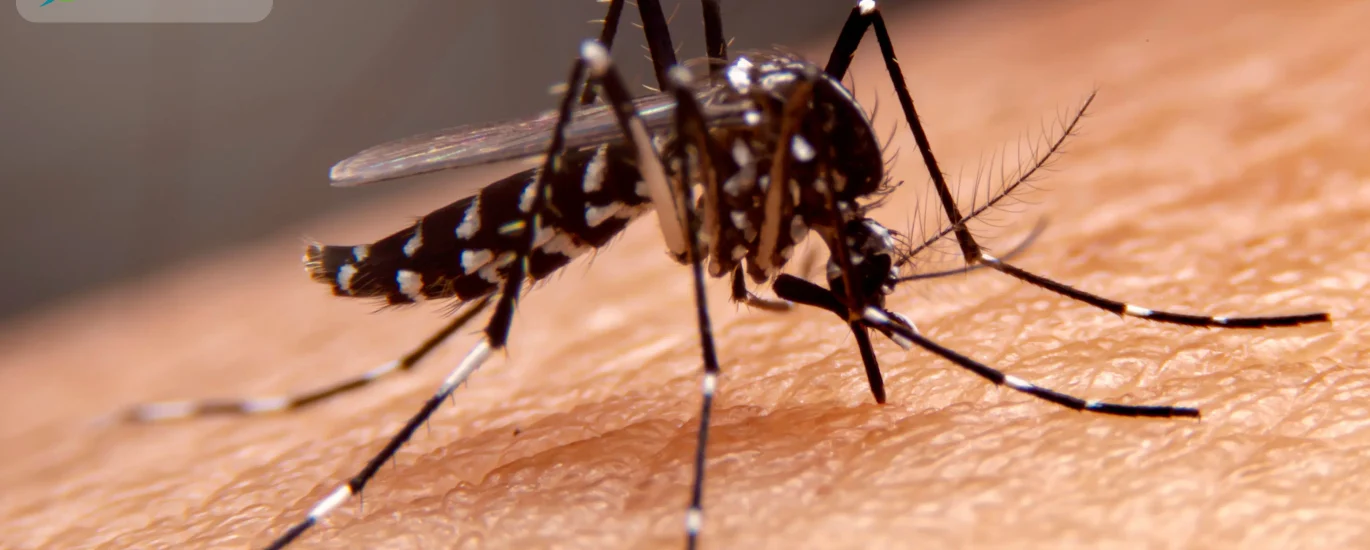
A sudden fever with intense body pain during the rainy season is often dismissed as a routine viral illness. Sometimes it is. But dengue can begin in a very similar way, which is why recognising the pattern early matters.
Dengue is a viral infection spread through the bite of an infected Aedes mosquito. It does not pass directly from one person to another through casual contact, food sharing, or touching. The illness can range from mild to serious. Many people recover with proper monitoring, hydration, and medical guidance, but a small number can develop severe dengue and need urgent hospital care.
The most important thing for families to understand is this: a falling fever does not always mean the danger has passed. In dengue, warning signs can sometimes appear after the temperature starts coming down. Timely evaluation can make a major difference.
What are the common dengue symptoms?
After being bitten by an infected mosquito, a person may start feeling unwell within a few days. Not everyone develops the same symptoms, and some people may have a mild illness. However, common dengue symptoms include:
- Sudden high fever
- Strong headache
- Pain behind the eyes
- Severe muscle, joint, or body pain
- Marked tiredness or weakness
- Nausea or vomiting
- Reduced appetite
- Skin rash
- Mild bleeding from the nose or gums in some cases
A person may not have every symptom on this list. A high fever with body pain, headache, unusual fatigue, vomiting, or a rash should not be ignored, especially when dengue is circulating in the community. According to the World Health Organization, symptoms commonly include fever, headache, pain behind the eyes, muscle and joint pain, nausea, vomiting, and rash.
How is dengue different from a common viral fever?
In the first one or two days, dengue and a routine viral fever can look very similar. Both may cause fever, weakness, headache, and body ache. It is not safe to diagnose dengue at home based only on symptoms.
However, dengue may be more likely when there is sudden high fever along with intense body pain, pain behind the eyes, vomiting, rash, or pronounced weakness. The local season, recent mosquito exposure, and whether similar cases are being reported nearby can also influence a doctor’s assessment.
The correct approach is not to panic over every fever, but also not to wait too long when symptoms are significant. A clinician can decide whether blood tests, observation, or repeat monitoring are needed.
The critical period: why families should remain alert after fever reduces
One of the most misunderstood parts of dengue is the period after the fever begins to settle. Families may feel relieved when the temperature falls, but this is often the time when close observation becomes especially important.
The risk period may occur around day three to day eight after symptoms first appear. Severe dengue can develop quickly in a small proportion of patients due to fluid leakage, bleeding, shock, or organ involvement. The warning signs are often seen within 24 to 48 hours after the fever goes away.
Seek emergency medical care without delay if a patient develops:
- Severe or persistent stomach pain
- Repeated vomiting, especially three or more episodes in 24 hours
- Bleeding from the nose or gums
- Blood in vomit or stool
- Extreme tiredness, drowsiness, irritability, or restlessness
- Difficulty breathing
- Pale, cold, or clammy skin
- Fainting, confusion, or worsening weakness
- Inability to drink fluids or keep fluids down
- Very little urine output
These signs do not mean every patient has severe dengue, but they require immediate assessment. The CDC lists severe abdominal pain, repeated vomiting, bleeding, and marked tiredness or restlessness as important warning signs.
Who needs extra caution?

Dengue can affect people of any age, but closer medical supervision may be advised for people who have a higher risk of complications or difficulty maintaining hydration. This can include:
- Infants and young children
- Older adults
- Pregnant women
- People with diabetes, kidney disease, liver disease, heart disease, or blood disorders
- Patients taking medicines that may affect bleeding
- Anyone with warning signs or persistent vomiting
Children may become dehydrated faster because they may not be able to explain how unwell they feel. In older adults, weakness, low fluid intake, or underlying medical conditions can make recovery more complicated. For these groups, early consultation is particularly important.
How is dengue tested?
A doctor considers the patient’s symptoms, the day of illness, examination findings, and local dengue activity before advising tests. Blood tests may be used to look for signs of dengue infection and to monitor changes in blood counts or hydration status.
Testing is not only about receiving one report. In some cases, doctors may advise repeat tests because dengue changes over several days. A single platelet result should not be interpreted in isolation. The patient’s symptoms, blood pressure, fluid intake, urine output, bleeding, and overall condition are equally important.
It is common for families to focus only on platelet numbers. Platelets are relevant, but they are not the only marker of severity. A patient with a low platelet count may remain stable, while another patient may need urgent care because of warning signs even before platelets fall significantly. Clinical assessment always comes first.
What can patients do at home while waiting for medical advice?
If a doctor feels home care is appropriate and there are no danger signs, careful hydration and monitoring are essential.
Useful steps include:
- Encourage frequent sips of safe fluids, water, soups, coconut water, or oral rehydration solution when appropriate.
- Record fever, vomiting, fluid intake, urine output, and new symptoms.
- Let the patient rest and avoid strenuous activity.
- Use mosquito protection so mosquitoes do not bite the sick person and spread the virus further in the area.
- Follow the dosage and medicines advised by the treating doctor.
Avoid self-medicating with aspirin, ibuprofen, diclofenac, or similar pain medicines unless specifically advised by a doctor, as they may increase bleeding risk in dengue. Do not take antibiotics without medical advice; dengue is caused by a virus, and antibiotics do not treat it.
If the patient is unable to drink, has repeated vomiting, becomes unusually sleepy, or develops any bleeding or severe abdominal pain, do not continue home management. Go to an emergency facility promptly.
Preventing dengue begins around the home
The mosquito that spreads dengue often breeds in clean stagnant water stored in and around homes. Prevention requires small but regular actions.
Once a week, check and empty water from:
- Coolers, buckets, flowerpots, and trays
- Open drums, tanks, and containers
- Discarded tyres, bottles, and plastic waste
- Construction-site containers and rooftop items
- Pet water bowls and bird containers
Keep water-storage containers covered. Wear clothing that covers the arms and legs when possible, use appropriate mosquito repellent, and ensure doors and windows are screened. Dengue mosquitoes are active during daytime as well, so mosquito protection should not be limited to the evening.
When should you visit a hospital?
Seek medical advice if fever is high, symptoms are getting worse, vomiting continues, or a rash appears with illness. Emergency care is needed for warning signs such as bleeding, severe abdominal pain, breathing difficulty, extreme weakness, dehydration, confusion, or inability to take fluids.
Dengue should not be managed through self-medication or a single blood report alone. At Novamed Foundation Hospital, a multispeciality hospital in Patna, patients with suspected dengue can receive clinical assessment, diagnostic support, specialist consultation, and emergency care when required.