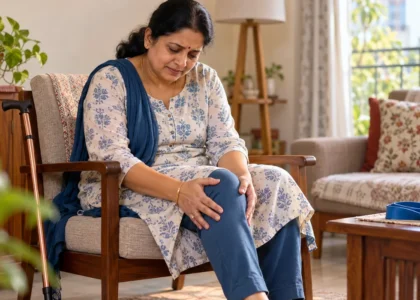



Lower abdominal pain is discomfort felt below the belly button, often around the pelvic area, lower right side, lower left side, or across the entire lower abdomen. It may feel like a cramp, pressure, burning sensation, sharp pain, or a dull ache. Some episodes are mild and settle with time, but lower abdominal pain can also be a sign of appendicitis, a urinary tract infection, a kidney stone, a bowel problem, or a gynaecological emergency.
The area where pain is felt does not, by itself, identify the underlying problem. A doctor considers where the pain began, whether it is moving or worsening, how long it has lasted, and whether it is linked with vomiting, fever, loose motions, constipation, urinary symptoms, periods, pregnancy, or vaginal bleeding.
Common Causes of Lower Abdominal Pain
Gas, constipation, and indigestion
Gas, constipation, and changes in bowel habits are common reasons for lower abdominal discomfort. Pain may come and go, improve after passing gas or stool, and occur with bloating or a feeling of incomplete bowel emptying.
However, persistent constipation with severe pain, vomiting, marked swelling, or inability to pass stool or gas needs medical assessment. These symptoms can occasionally point to a bowel obstruction or another condition that should not be managed at home.
Stomach infection or food poisoning
Viral or bacterial stomach infections may cause lower abdominal cramps along with diarrhoea, nausea, vomiting, fever, or weakness. The main concern is dehydration, especially in young children, older adults, and people with diabetes, kidney disease, or other long-term illnesses.
Use safe fluids and seek medical advice if symptoms are severe, there is blood in stool, vomiting prevents drinking, fever is high, or the person becomes dizzy, very weak, or passes very little urine.
Urinary tract infection or kidney stone
A urinary tract infection can cause lower abdominal pressure or discomfort, burning while passing urine, frequent urination, cloudy urine, fever, or pain in the lower back. Kidney stones may cause intense pain that comes in waves and can spread from the side or back toward the lower abdomen or groin.
A urinary tract infection with fever, chills, vomiting, flank pain, pregnancy, or symptoms in a child should be assessed promptly. Do not start antibiotics without medical advice, as the correct treatment depends on the likely cause and, in some cases, a urine test.
Read This: Dengue Symptoms: Early Warning Signs, Tests and When to Visit a Hospital
Appendicitis
Appendicitis is inflammation of the appendix. Pain may begin near the navel and later become more noticeable in the lower right abdomen, but symptoms do not always follow the same pattern. Loss of appetite, nausea, vomiting, fever, and pain that worsens with movement or coughing can occur.
Lower-right abdominal pain that is increasing or accompanied by vomiting or fever should be treated as urgent. Appendicitis can require prompt surgical assessment.
Irritable bowel syndrome and other bowel conditions
Irritable bowel syndrome, often called IBS, may cause repeated lower abdominal cramps, bloating, constipation, diarrhoea, or alternating bowel habits. Pain may improve after passing stool. A proper diagnosis matters because similar symptoms can occur with infections, inflammatory bowel disease, food intolerance, or other digestive conditions.
Do not assume recurrent pain is “just gas” if it is new, worsening, associated with blood in stool, unexplained weight loss, fever, or persistent changes in bowel habits.
Menstrual pain and gynaecological causes
In women and girls, lower abdominal or pelvic pain may be related to periods, ovulation, endometriosis, ovarian cysts, pelvic inflammatory disease, fibroids, or other reproductive-health conditions. Pain may be one-sided, occur with abnormal bleeding, or become more noticeable during periods, intercourse, urination, or bowel movements.
Severe new pelvic pain should not be ignored. Some causes, including a twisted ovary, a ruptured cyst, or pelvic infection, may need urgent treatment. Pelvic pain is common, but some causes can be serious.
Pregnancy-related lower abdominal pain
Mild cramps can occur in pregnancy, but severe, one-sided, persistent, or worsening pain needs urgent assessment. Pain with vaginal bleeding, dizziness, fainting, shoulder-tip pain, fever, or vomiting may indicate a serious condition, including ectopic pregnancy or miscarriage.
Pregnancy-related abdominal pain should never be self-diagnosed online. Conditions such as ectopic pregnancy, miscarriage, urinary infection, premature labour, and placental problems can require urgent medical care.
Also Read This: Platelet Count: What Is Normal, When Is It Low and When Is Urgent Care Needed?
Hernia, muscle strain, or pelvic-floor problems
Heavy lifting, coughing, strenuous exercise, or a previous surgery can sometimes lead to muscle strain or a hernia. A hernia may appear as a lump in the groin or lower abdomen and may hurt more while standing, coughing, or lifting.
A painful lump with vomiting, bloating, fever, or inability to pass stool needs urgent evaluation.
Which Symptoms Need Emergency Care?
Go to the nearest emergency department or seek urgent medical help if lower abdominal pain is:
- Sudden, severe, rapidly worsening, or too painful to move comfortably
- Accompanied by fainting, confusion, severe weakness, sweating, or breathing difficulty
- Present with repeated vomiting or inability to keep fluids down
- Associated with a swollen or rigid abdomen
- Accompanied by blood in vomit, stool, or urine
- Associated with high fever, chills, or worsening illness
- Occurring with inability to pass urine, stool, or gas
- Focused in the lower right abdomen and becoming more severe
- Present during pregnancy, especially with bleeding, dizziness, shoulder pain, or one-sided pain
- Associated with a painful groin or abdominal lump
Severe abdominal pain, pain after an injury, or pain with concerning symptoms requires immediate medical attention.
You May Also Like: Best Hospitals for Neurology in Patna: 10 Options to Consider
When Should You Book a Doctor’s Appointment?
Arrange a consultation soon if the pain is mild but does not improve, returns repeatedly, or affects normal work, sleep, eating, or daily activity. Medical review is also important when lower abdominal pain occurs with:
- Burning urination or frequent urination
- Ongoing constipation, diarrhoea, or bloating
Unusual vaginal discharge or bleeding - Painful or unusually heavy periods
- Unexplained weight loss or reduced appetite
- Symptoms lasting more than a few days
- A known history of kidney stones, ovarian cysts, bowel disease, or abdominal surgery
Even mild abdominal pain should be reviewed if it lasts a week or more or occurs with other symptoms.
How Doctors Find the Cause of Lower Abdominal Pain
A doctor will first ask practical questions about the pain:
- When did the discomfort begin, and has it become more intense over time?
- Is it on the right, left, centre, or both sides?
- Does it spread to the back, groin, leg, or shoulder?
- Is there fever, vomiting, diarrhoea, constipation, or blood in stool?
- Are there urinary symptoms?
- For women, when was the last period and is pregnancy possible?
The examination may be followed by urine tests, blood tests, a pregnancy test where appropriate, stool tests, ultrasound, X-ray, CT scan, or other investigations. Not every person needs every test. The choice depends on the suspected cause, age, symptoms, medical history, and examination findings.
Read This: Food and Water Safety During Floods: Preventing Typhoid, Hepatitis A, and Stomach Infections
What Can You Do at Home for Mild Pain?

Home care is appropriate only for mild discomfort when there are no warning signs. You may:
- Drink water or oral rehydration fluids if you can tolerate them
- Eat light, simple food if nausea is not severe
- Rest and avoid strenuous exercise or heavy lifting
- Note the pain location, timing, bowel changes, urine symptoms, food intake, and menstrual details
- Take only medicines that a qualified clinician has previously advised are safe for you
Avoid taking leftover antibiotics, strong painkillers, laxatives, or multiple medicines without advice. These can hide important symptoms, cause side effects, or delay the correct diagnosis.
Also Read: Diarrhoea and Vomiting: Causes, Dehydration Warning Signs, and When to Seek Medical Care
Lower Abdominal Pain in Children and Older Adults
Children may not be able to describe where or how much they hurt. Persistent pain, refusal to eat or drink, vomiting, fever, unusual sleepiness, a swollen abdomen, or pain that makes a child avoid walking should be assessed promptly.
Older adults may have less typical symptoms even with serious illness. New lower abdominal pain in an older person, especially with fever, vomiting, weakness, blood in stool or urine, or a change in bowel habits, should not be delayed.
Conclusion
Lower abdominal pain may be temporary, but it should not be ignored when it is severe, persistent, or accompanied by warning signs. Paying attention to the pain pattern and related symptoms can help doctors identify the right cause quickly.
When choosing the best multispeciality hospital in Patna for urgent abdominal symptoms, check whether it offers emergency assessment, diagnostic testing, inpatient support, and access to relevant specialists. Seek emergency medical care without delay for sudden severe pain, fever with vomiting, blood in stool or urine, fainting, pregnancy-related pain, or worsening pain in the lower right abdomen.
Frequently Asked Questions
Is lower abdominal pain always serious?
No. Gas, constipation, mild stomach infections, and menstrual cramps can cause temporary pain. However, pain that is severe, persistent, worsening, or accompanied by fever, vomiting, bleeding, urinary symptoms, or pregnancy-related symptoms needs medical assessment.
Can gas cause lower abdominal pain?
Yes. Gas can cause cramping, pressure, bloating, and discomfort in the lower abdomen. But repeated or severe pain should not automatically be blamed on gas, particularly if there are warning signs.
What could pain on the lower-right side of the abdomen indicate?
It can occur with appendicitis, bowel conditions, urine problems, ovarian conditions, or muscle strain. If the pain is worsening, severe, or accompanied by fever, vomiting, or loss of appetite, seek urgent medical care.
What does lower left abdominal pain mean?
Possible causes include constipation, gas, bowel conditions, urinary problems, muscle strain, or gynaecological causes. A doctor should assess pain that persists, worsens, or occurs with fever, bleeding, vomiting, or bowel changes.
Should I take antibiotics for lower abdominal pain?
Do not take antibiotics unless a doctor prescribes them. Lower abdominal pain has many causes, and antibiotics are not appropriate for gas, constipation, appendicitis, kidney stones, viral infections, or many gynaecological conditions.