

Diarrhoea and vomiting can begin unexpectedly and leave a person feeling drained, nauseated, and worried. They often result from a short-term stomach infection, food poisoning, contaminated water, or food that wasn’t stored or prepared safely. Many people recover with rest and proper hydration, but repeated loose stools or vomiting can cause the body to lose water and essential salts quickly.
The greatest immediate risk is dehydration. Babies, young children, older adults, pregnant women, and people with diabetes, kidney disease, heart disease, or reduced immunity need particular care. Knowing which symptoms can be managed at home and which require medical help can prevent a minor illness from becoming more serious.
Common Causes of Diarrhoea and Vomiting
A viral stomach infection, sometimes called gastroenteritis, often causes diarrhoea, vomiting, nausea, stomach cramps, and mild fever. It can spread through unwashed hands, shared surfaces, unsafe water, contaminated food, or close contact with someone unwell.
Food poisoning may produce similar symptoms, sometimes within hours of eating contaminated food. Other possible causes include bacterial or parasitic infections, food intolerance, certain medicines, alcohol, travel-related illness, urinary infection, appendicitis, pancreatitis, or bowel conditions.
Different health problems can produce similar symptoms. This is why persistent, severe, or recurring symptoms should be assessed by a qualified doctor rather than treated with self-medication.
Read This: Platelet Count: What Is Normal, When Is It Low and When Is Urgent Care Needed?
Why Dehydration Needs Attention
The body loses fluid and electrolytes with every episode of vomiting or watery stool. When those losses are not replaced, dehydration can develop. Early signs may include thirst, dry mouth, tiredness, dizziness, dark urine, and passing urine less often than usual.
In children, look for fewer wet nappies, no tears while crying, unusual irritability, or excessive sleepiness. Older adults may become weak, light-headed, or confused. These signs should be taken seriously.
Severe dehydration can affect circulation and kidney function and may require hospital treatment with intravenous fluids.
What You Can Do at Home for Mild Symptoms
Home care may be appropriate when the person is alert, can drink fluids, and does not have any warning signs. The main aim is to prevent dehydration and allow the digestive system time to recover.
Take small sips of fluid often instead of drinking a large amount at once. This is usually easier to tolerate when nausea is present. Properly prepared oral rehydration solution can help replace both water and salts lost through diarrhoea or vomiting.
For mild symptoms, you can:
- Drink safe water or correctly prepared ORS in small, frequent amounts.
- Continue breastfeeding or usual milk feeds for infants, unless a clinician gives different advice.
- Rest and avoid strenuous physical activity.
- Start small portions of simple, freshly cooked food once vomiting reduces.
- Monitor fever, urine output, loose stools, vomiting episodes, and stomach pain.
- After using the toilet or before preparing food, clean your hands thoroughly with soap and water.
Do not take leftover antibiotics, laxatives, or multiple pain medicines without medical advice. Antibiotics do not treat viral stomach infections and may not be appropriate for many other causes of diarrhoea or vomiting.
Also Read This: Dengue Symptoms: Early Warning Signs, Tests and When to Visit a Hospital
Foods and Drinks to Avoid Temporarily
During active illness, the stomach may be sensitive. Very oily, spicy, or heavily processed foods can worsen nausea and abdominal discomfort. Alcohol should be avoided, and very sugary drinks or fizzy beverages may aggravate loose motions for some people.
When appetite returns, choose small portions of light, freshly prepared food. If vomiting continues or the person cannot tolerate fluids, do not force food; seek medical advice instead.
When Should You Consult a Doctor?
See a doctor if symptoms are not improving, keep returning, or are affecting normal eating, drinking, sleep, work, or daily activity. Depending on the likely cause, the doctor may recommend a physical examination, blood tests, urine tests, stool tests, or imaging.
Arrange medical assessment if there is:
- Diarrhoea that continues for several days
- Vomiting that prevents normal fluid intake
- Fever, chills, or growing weakness
- Ongoing abdominal cramps, bloating, or stomach pain
- Burning during urination, back pain, or frequent urination
- Recent travel, suspected unsafe food or water, or multiple people in the household falling ill
- Repeated stomach problems, unexplained weight loss, or a history of bowel disease
- Pregnancy, diabetes, kidney disease, or another significant long-term condition
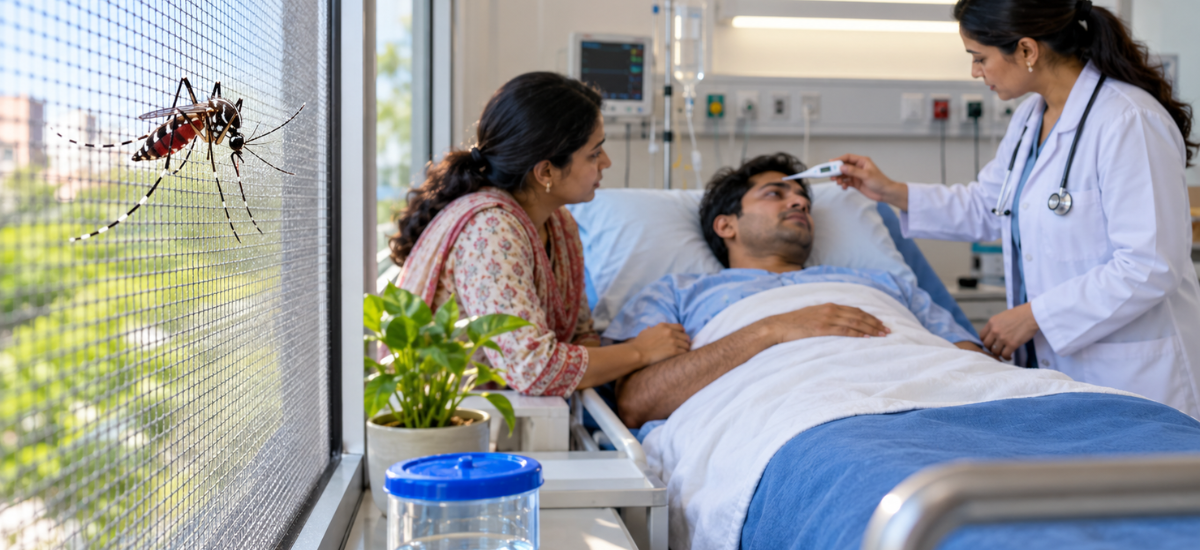
A doctor can decide whether infection testing, medicines, or hospital observation is necessary.
You May Like: Best Hospitals for Neurology in Patna: 10 Options to Consider
Emergency Warning Signs

Seek emergency medical care immediately if diarrhoea or vomiting is accompanied by:
- Being unable to retain even a few sips of fluid
- Very little urine, severe dizziness, fainting, confusion, or extreme drowsiness
- Blood in vomit or stool, or black stools
- Severe, worsening, or one-sided abdominal pain
- A swollen, hard, or very tender abdomen
- High fever or a rapidly worsening condition
- Vomiting after a head injury
- Pregnancy with pain, vaginal bleeding, dizziness, or persistent vomiting
- A child who refuses feeds, has very few wet nappies, becomes unusually sleepy, or appears weak
- An older adult with confusion, severe weakness, dehydration, or new abdominal pain
Diarrhoea and vomiting are often temporary, but they can become dangerous when they result in significant fluid loss.
Extra Care for Children and Older Adults
Children can become dehydrated quickly because their fluid reserves are smaller. Offer fluids in small amounts, more often. Do not give a child medicines for diarrhoea unless they have been specifically advised by a paediatric clinician.
Rotavirus is one possible cause of severe vomiting and watery diarrhoea in infants and young children. Vaccination helps protect children against severe rotavirus illness.
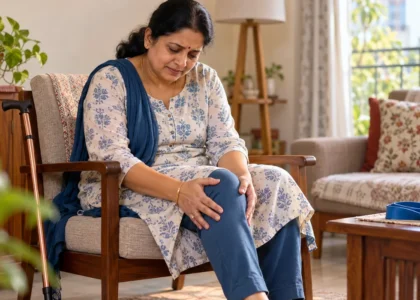
In older adults, early signs of illness can sometimes be subtle or easily missed. New vomiting or diarrhoea with low urine output, fever, confusion, weakness, or abdominal pain should be assessed early.
How to Help Prevent Stomach Infections
Many stomach infections can be reduced through safe food, water, and hygiene habits.
- Use soap and clean water to wash your hands after going to the toilet and before preparing or eating meals.
- Use boiled, filtered, or sealed drinking water when water quality is uncertain.
- Cook food thoroughly and serve it fresh while hot.
- Keep cooked food covered and protect it from flies.
- Keep raw meat, eggs, and seafood separate from ready-to-eat food.
- Clean kitchen surfaces, utensils, and feeding items with safe water.
- Avoid preparing meals for others while you have active diarrhoea or vomiting, where possible.
Read More: Food and Water Safety During Floods: Preventing Typhoid, Hepatitis A, and Stomach Infections
Conclusion
Diarrhoea and vomiting commonly improve with rest, safe fluids, and good hygiene. However, they should not be ignored when symptoms are severe, persistent, or linked with dehydration, bleeding, high fever, intense abdominal pain, or unusual weakness.
Timely medical assessment can identify the cause and prevent complications. For people seeking the best multispeciality hospital in Patna, Novamed Hospital provides emergency assessment, diagnostic support, specialist consultation, and inpatient care when required.